

ISLA’s PDW ’24: Huge Success!
By Allah’s Mercy and Grace, and with over 200 registrants from more than 20 different schools, 15 speakers and 10 workshops during this year’s PDW ’24, we can say that ISLA’s PDW ’24 was a huge success, alhumdulillah!
The workshops covered a gamut of essential “back-to-school” topics that both novice and veteran teachers could appreciate. Part of what makes ISLA’s PDW unique is that the workshop providers are experts in their field and understand not just how the topic manifests in general classrooms, but particularly within the Islamic school context.
Every session had something for individuals to gain. Through the ten live workshops, we grew as a community of professional educators. It’s our hope that teachers will continue to join us throughout the academic year during our many free webinars, PLCs and PDs, inshallah!
One of the most exciting highlights was when Sister Hind Ibrahim won a free interactive Samsung panel from Archangel during Dr. Piera’s presentation on Learning Strategies! Read below to find out more about the PD workshops that were provided as well as the PD facilitators.
-

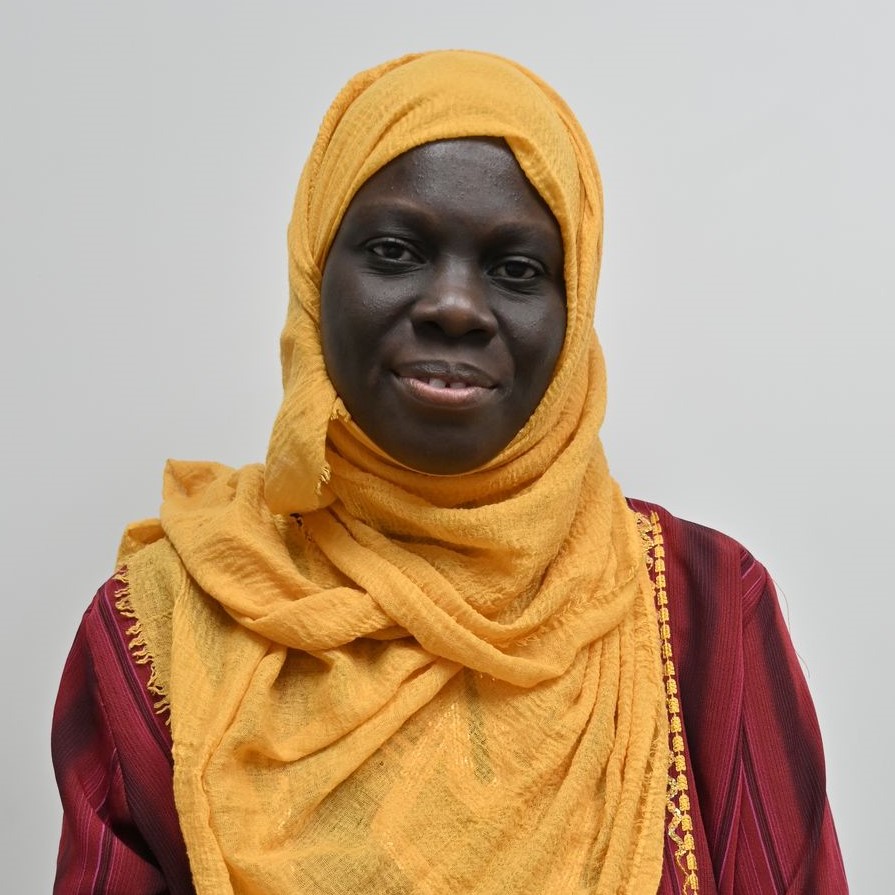
- Ustadha Rukayat: Belonging
-

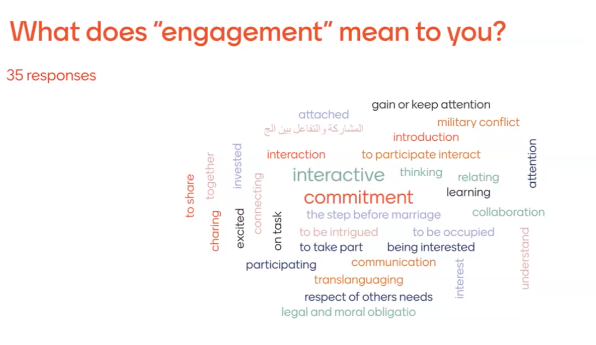
- What is Engagement?
-

- Amin Asser: Islamic Worldview

-

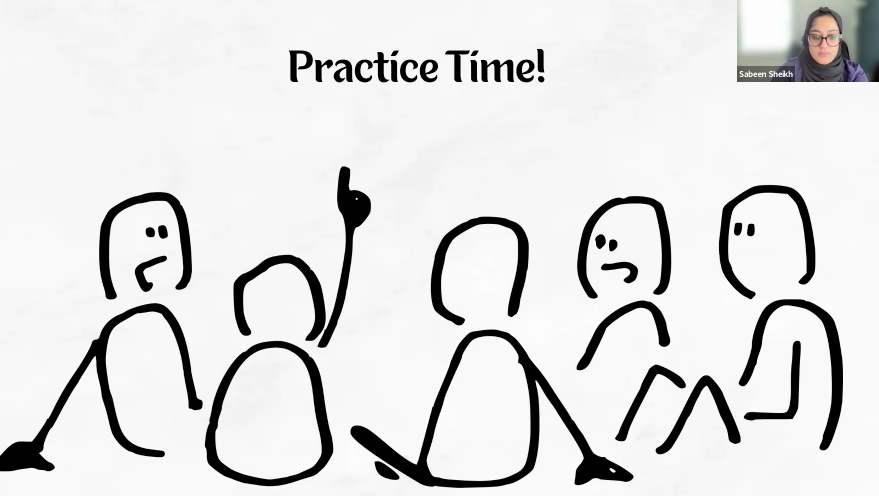
- Engaging Workshops
-

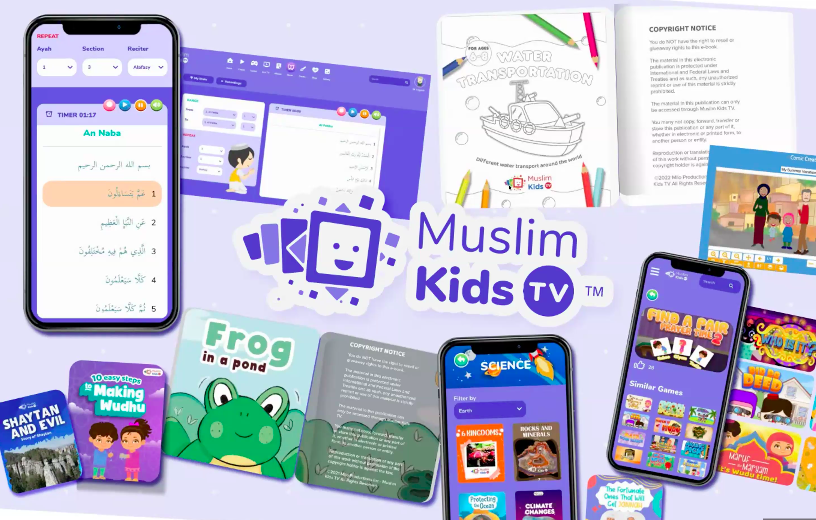
- MKTV: Islamic Worldview
-

- Mental Health First Aid
-

- Rasha El-Haggan: Assessing for Understanding
-

- Setting Intentions
-

- Islam 101 for Staff of Diverse Faiths
-

- More Opportunities
-
- Arriving

-

- Heartwork: Inclusion
Assessing for Understanding
Rasha El-Haggan
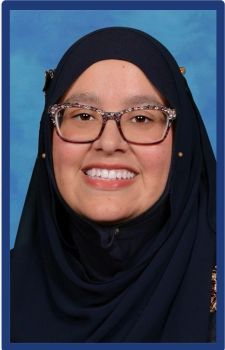
What do we assess for? Do we assess the students’ ability to do something? Do we assess the student’s level of knowledge about something? Do we assess how much understanding students have about something? What’s the difference between assessing skills, knowledge, and understanding? Often teachers write assessments that assess skill and knowledge but we assume that if a student can do something, that means they UNDERSTAND why they did what they did. This session will focus on how we can make our assessments of skill and knowledge and also assess student understanding of a particular concept. Teachers do not have to have any background knowledge of assessment vocabulary as we will define what we mean by skills, knowledge, and understanding. Participants will be given lots of examples from various subjects such as English, Math, Science, Islamic Studies, and Arabic. Participants should bring a sample assessment they would like to work on.
- About the PD Provider: As an advocate of student-centered classrooms, Rasha dedicates a large portion of her time leading schools in designing and implementing inquiry-based curricula. Rasha has 18 years of experience as an educator and school leader working in Islamic schools, independent schools, and international schools. In all her roles, Rasha has led faculty professional workshops for small and large schools. She has experience with various curriculum frameworks including IB, AP & Concept-Based Inquiry. Rasha has a Masters in Secondary Education from Johns Hopkins University and is pursuing her doctoral degree from University of Pennsylvania. Currently, Rasha is the Assistant Head of School for a private school in Maryland and a board member of the Islamic Schools League of America.
Positive Behavior Management
Qur’an Shakir
Positive Behavior Management refers to strategies and techniques used to promote positive behavior and preventing or addressing challenging behavior. Positive behavior management techniques aim to create a supportive and engaging environment that motivates individuals to make good choices and maintain positive relationships. Focus will be on setting clear expectations, providing positive reinforcements, actively teaching problem solving skills and promoting a sense of belonging and respect within the group with unified goals and ways to achieve them.
- About the PD Provider: Qur’an Shakir, affectionately called Madame Q, is a Jegna –master educator, guide and distinguished leader. She is also a former director and principal, an author, and education consultant. She is credited with pioneering projects and programs in the Atlanta area and is recognized across the U.S. for her championship work as an award-winning educator for 30-plus years, a sought-after presenter at conferences and conventions on the topic of education, relationships, and youths, and as an advocate for children through several projects and programs. Co-owner of Celebrating Sacred Connections, an organization elevating the status of women, she is a seasoned school leader who has trained, mentored, and prepared educators and teachers in public and private schools, has developed and partnered with small organizations to establish in-house instructional functions, volunteered 20 years as a chaplain in a local women’s prison, and served as a Public Information Leader for three different public and/or non-profit agencies, supporting over 20,000 employees across the U.S.
Cultivating Belonging in Your Classroom
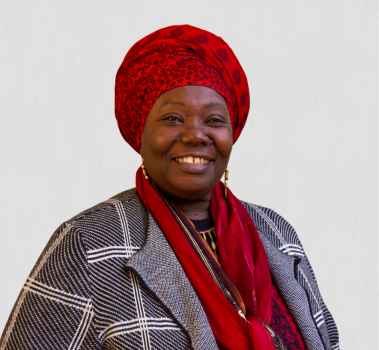
Ustadha Rukayat Yakub
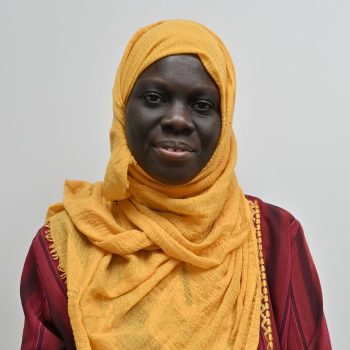
One way to build belonging and inclusiveness is through the curriculum we select and develop for our students. In this belonging and inclusion workshop teachers engage in introspective Heartwork activities. Participants are also introduced to various curricular resources, such as Muslim American Heroes ™, which integrates Social Studies, ELA, Art, Reading, Islamic Studies, and Writing along with teaching Prophetic character.
- About the PD Provider: Rukayat Yakub is an award-winning children’s author, educator, publisher, trainer, consultant, and school climate coach who has worked in education for 25 years. Rukayat is an instructor at Rabata’s Ribaat Academic Institute, a certified Montessori elementary teacher, and holds an MA in Islamic Education. Her areas of expertise are heartwork (addressing anti-blackness to build spaces of Prophetic belonging), curriculum design, Islamic studies and ethical wealth flow. She works with leaders to develop and implement best practices that infuse prophetic courage, kindness, and humility in community institutions and will begin doctoral studies to further study belonging and community development in the Fall.
Strategies for Learning & Enhanced Student Outcomes
Piera Camposeo, Archangel
Discover the principles of effective learning and the science of neuroplasticity. This presentation will explore how our brains adapt and grow through learning, offering practical strategies to enhance both personal and student learning experiences. Participants will have the following takeaways from this workshop: 1. Leveraging Neuroplasticity in the Classroom: Implement strategies to help students form new neural connections, enhancing their ability to learn and adapt. 2. Effective Learning Techniques: Apply methods to improve student retention and comprehension. 3. Fostering a Growth Mindset: Encourage students to adopt a growth mindset, promoting resilience and a belief in their ability to learn and improve.
- About the PD Provider: A multilingual expert passionate about education and language, with a proven track record of enhancing academic achievements for diverse student populations and fostering positive learning environments. Holding a master’s degree in TESOL and a PhD in Curriculum & Instruction, and possessing over a decade of experience in academia across various states, specializing in foreign language and ESL instruction, curriculum development, and professional development design.
Transformative Teaching

Omaira Alam
This workshop will explore the Principles of Islamic Pedagogy emphasizing that how we teach is as important as what we teach. We will examine how these principles can inspire, engage, and empower students in their learning journeys. Topics include the core Principles of Islamic Pedagogy, the transformative impact these principles can have on classrooms, schools, and communities, and the development of effective instructional strategies and best practices. Participants will leave with a list of best practices and instructional strategies tied to each principle, ready to implement in their own classrooms.
-
About the PD Provider: Omaira Alam, an accomplished educator, researcher, and consultant with over 25 years of experience in education, has held various leadership roles, including principal, board member, program director, and teacher educator. Collaborating with esteemed institutions such as the US Dept. of State, the Council for Islamic School Excellence (CISE), and the Prophetic Pedagogy Project of CICW, she has dedicated herself to school improvement. Omaira is renowned for her expertise in special education and behavior management, having developed A Dignified Way, a program grounded in Prophetic pedagogy. She holds degrees in Neuroscience and World History from the University of Toronto, pursued Global Education at the Ontario Institute for Studies in Education, and obtained a master’s in special education from The George Washington University. Currently, she is a teacher with Hemispheres Academy working with students around the world.
Differentiation Strategies to Meet Students’ Diverse Needs
Aisha Ansari
The workshop framework provides multiple opportunities for student choice and agency. Participants in this session will walk away with ideas on how to provide differentiated instruction based on students’ strengths and needs.Student success requires a tailored approach to meet individual needs. Explore four essential strategies for differentiation: 1. Content: Tailor instruction to address specific standards students need to master. 2. Process: Provide diverse activities to engage students in mastering content. 3. Product: Offer various methods for students to demonstrate mastery. 4. Learning Environment: Create conducive spaces for learning, considering where and with whom students learn best.
- About the PD Provider: Sr. Aisha has been a principal for a K-8 grade non-profit organization. She also works as a compliance manager for Emergent Bilingual Students supporting dual language campuses. She has worked as an Instructional Coach and Curriculum Writer. Sr. Aisha has a double Masters in Teacher Leadership with ESL concentration and Principal Certification. She is a former middle school teacher. In addition, Sr. Aisha is a world traveler and is passionate about connecting with people and building relationships.
Teaching From an Islamic Worldview
Moderator: Omaira Alam; Panelists: Flordeliza Dayrit (MKTV), Hameem Rahman (Yaqeen Institute), Zaheer Arastu (Legacy iohS), Aisha Basith (HQEC)
Join us as we explore critical questions with global educational leaders: What is an Islamic worldview? How is it different than what is the prevalent worldview in our schools and society? Why is it important that we try to construct an Islamic worldview in our Islamic schools? And, how exactly can teachers do that? Panelists will discuss these foundational questions and provide practical implementation tips and resources for teachers of all grade levels.
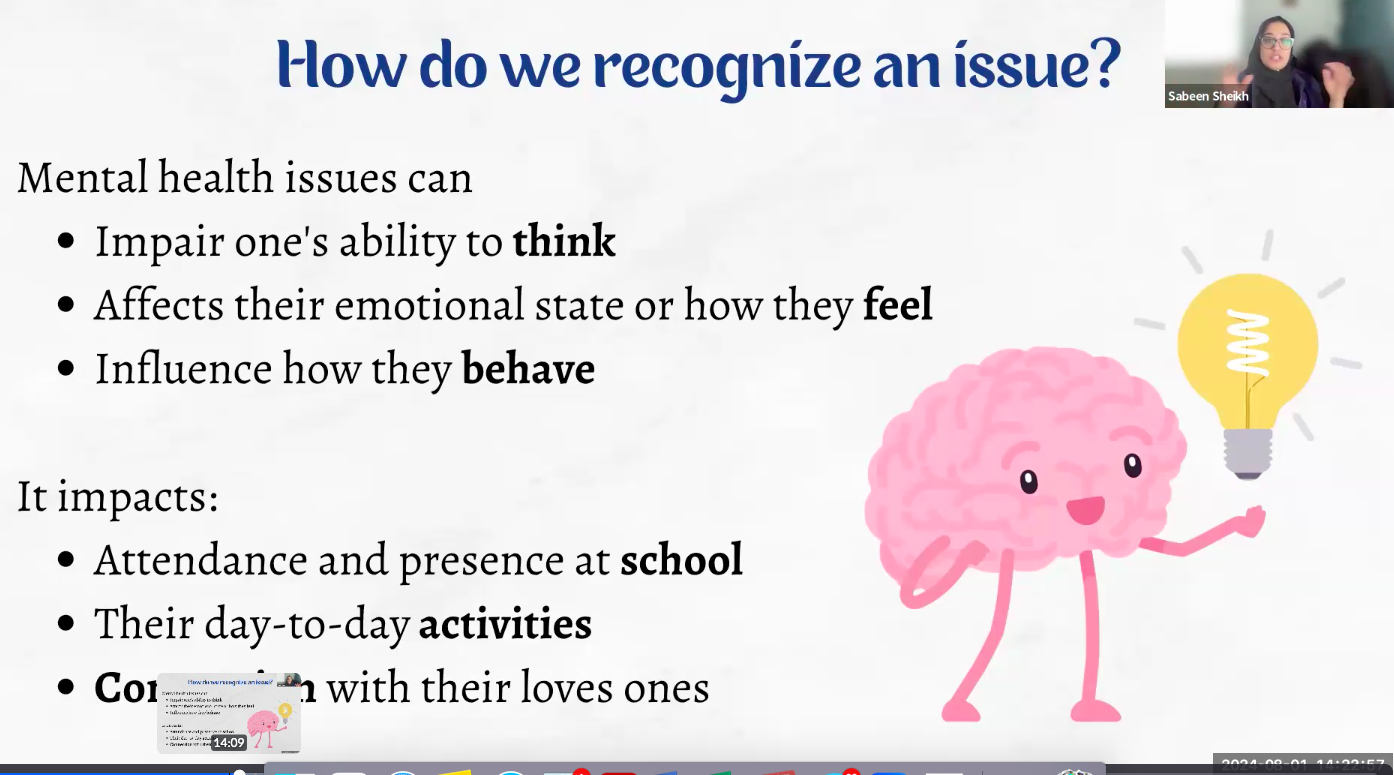
Supporting the Mental Health Needs of Students in the Classroom
Dr. Sabeen Sheikh, MHC
This workshop will introduce you to some mental health issues our youth are facing, signs that teachers can look for, and what you can do in your classrooms if you notice students experiencing some of the more common mental health issues. At the end of this workshop, we hope you can walk away with the following: Knowing your role with students struggling with mental health concerns Understanding some common mental health concerns that impact our youth, and signs you can notice in students in your classroom How to intervene in a supportive manner Benefits of being Youth Mental Health First Aid certified through AMHP.
Engaging Students in the Arabic Classroom
Dr. Nadia Selim
Students learn better when they are engaged by their teacher, the learning process and the learning content. However, designing engaging learning for Arabic classrooms in Islamic schools can be challenging for various reasons. In this session, the presenter discusses the preferences of adolescent students (from Grades/Years 7-10) and presents some interactive activities that integrate student interests identified in research focused on Islamic schools with other theories and strategies while remaining sensitive and responsive to the Islamic learning context.
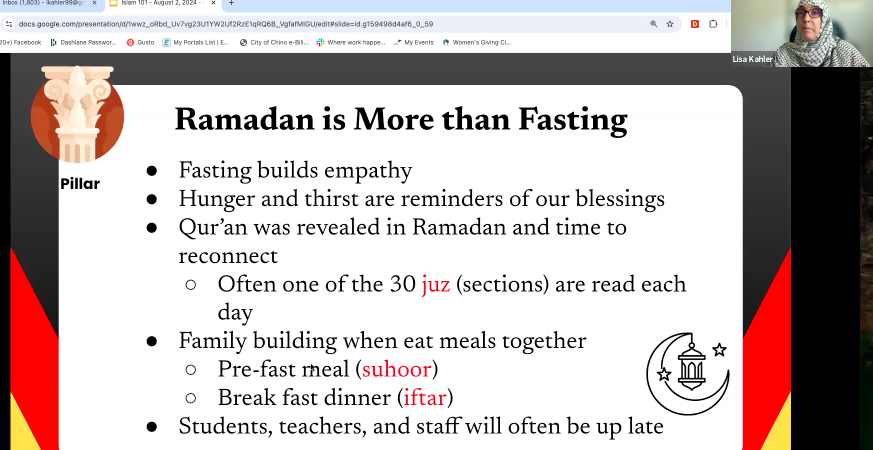
Islam 101
Lisa kahler
Are you teaching in an Islamic school but unfamiliar with Islamic customs and common terminology? Join us for an “Islam 101” crash course that aims to help you learn about Islamic religious essentials. The session leaves ample time to respond to your burning questions in a safe and judgment-free environment.
